Transforming Cancer Care: Inspiring Survivor Stories and Wellness Strategies
Cancer is a word that evokes a myriad of feelings—fear, uncertainty, and often an overwhelming sense of vulnerability. Yet, within this storm, countless beacon lights shine brightly—those who have confronted the beast head-on and emerged as champions. In the world of oncology, their stories are powerful testimonies of resilience and recovery, reminding us that while a tumor may threaten life, it can’t extinguish the human spirit. The stirring narratives of survivors not only inspire change but also fuel the fire for patient advocacy, collective support, and a deeper understanding of wellness in the face of malignancy.
Take, for instance, the story of Mary, a vibrant young woman whose life was upended by a sudden diagnosis of breast cancer. With a relentless spirit, Mary dove into extensive research, embracing the challenges of cancer treatment with both hands. "I refused to let cancer define me,” she often says, her voice filled with conviction. Her journey through surgery, chemotherapy, and eventual remission is a rollercoaster ride filled with ups and downs, yet it’s her helped-determined lifestyle changes that shine through as her greatest weapon. What would you do differently in your life if you faced such a daunting challenge?
The importance of preventive care and awareness cannot be overstated. Survivors like Mary remind us that early diagnosis significantly increases survival rates and can alter the entire trajectory of one’s journey through cancer. By advocating for cancer awareness, we're not just spreading knowledge; we are creating a community of vigilant opportunists who can detect symptoms early on. Imagine being part of a support group where everyone's commitment is to stand together, sharing not just stories of survival, but also insights gleaned from the trenches of clinical research and wellness tactics. Isn’t it empowering to think about the collective strength we possess?
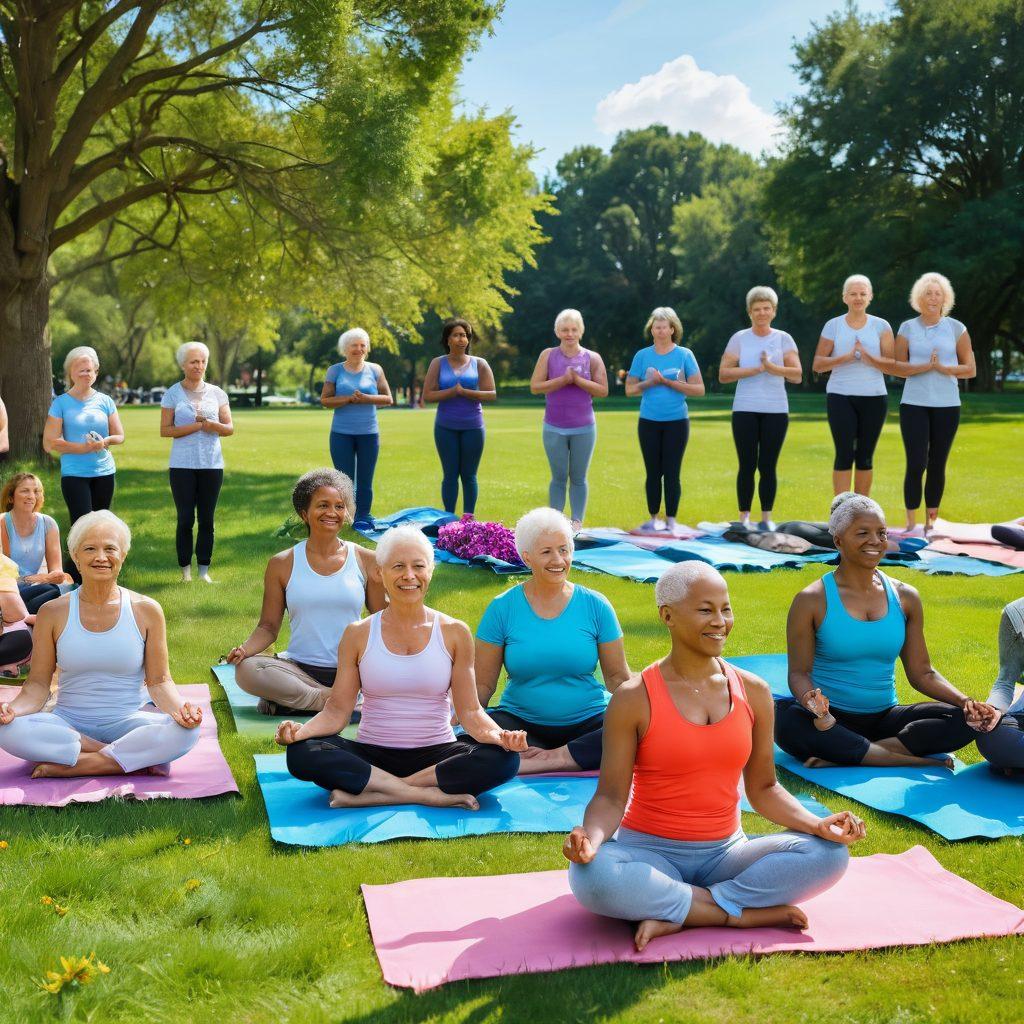
Wellness is not just a topic of conversation; it's a lifestyle that can transform cancer care as we know it. Survivors have adopted holistic health strategies that encompass not just the physical aspects of healing but delve into emotional and social dimensions too. Nutritional changes, mindfulness practices, and supportive friendships become game-changers in their recovery processes. As we explore these survivor stories, we start to see the clear connection between mental well-being and physical health—each cannot exist in isolation. Are we truly paying enough attention to this intertwined relationship in our everyday lives?
In the end, the stories of resilience echo a universal truth: our lives are forged in how we cope, how we care, and how we empower one another. Each survivor is more than just a statistic; they are living proof of the extraordinary human capacity to thrive against all odds. Whether through engaging in support groups, sharing personal experiences, or contributing to medical research, each of us can play a pivotal role in transforming cancer care. Let’s renew our commitment to wellness—not just for those diagnosed but for ourselves and our communities. After all, every story shared can inspire change, paint a smile on someone’s face, and foster a space of hope. What story will you share today?
Innovative Wellness Strategies for Navigating Cancer Treatment
Navigating cancer treatment can often feel like sailing through a stormy sea, with waves of uncertainty crashing all around. Every diagnosis carries with it a tempest of fears, questions, and the relentless pursuit for answers. But within these turbulent waters, innovative wellness strategies can serve as a guiding lighthouse, illuminating a path to better health and resilience. Embracing a holistic approach not only enhances patient support but also empowers those with malignancies to become active participants in their journey toward remission. Through the power of cancer awareness and wellness, we unlock new avenues for healing, ultimately transforming cancer care as we know it.
One of the most compelling ways to promote health during cancer treatment is through preventive care and lifestyle changes. Whether it's adapting a nutritious diet rich in antioxidants or incorporating gentle exercises like yoga into daily routines, small yet impactful adjustments can make a significant difference. Research has shown that certain foods can help combat inflammation, nourish the body, and even contribute to the fight against tumors. Have you ever wondered how something as simple as a green juice or a morning walk could have profound effects on your cancer care? The stories of many survivors reveal that they were not just recipients of treatment but active participants holding the reins of their wellness journey.
Support groups play a critical role in the cancer care ecosystem, providing a safe space for individuals to connect, share their experiences, and find strength in numbers. These gatherings foster empathy, understanding, and shared knowledge, facilitating a sense of belonging among patients and survivors. One poignant quote that resonates deeply within these circles is, 'Together we are stronger.' The collective voice of those navigating similar paths, offering insights and encouragement, creates a positive ripple effect in cancer treatment. How can you leverage the power of community in your journey? Remember, reaching out for support is not a sign of weakness but rather a testament to your courage and commitment to healing.
Medical research in oncology is constantly evolving, unveiling groundbreaking advancements that can enhance treatment protocols and improve patient outcomes. Cutting-edge findings in clinical research often lead to the development of innovative wellness strategies, allowing individuals to tailor their approach to align with their specific needs. For instance, integrating mindfulness practices, such as meditation and guided imagery, helps alleviate symptoms and can even bolster the immune system. Curious about how holistic health practices can coexist with medical treatments? Many survivors advocate for balancing traditional therapies with complementary practices, creating a more personalized care experience.
As we navigate this complex landscape of cancer treatment, it becomes increasingly important to adopt patient advocacy and engage in conversations about our health. Empowering ourselves with knowledge not only aids in understanding symptoms and diagnosis but also allows us to partake in pertinent discussions with healthcare professionals. Are we fully utilizing the tools at our disposal? Within these conversations lies the crux of informed decision-making, ensuring that each individual feels confident in their treatment journey. As we strive for wellness and healing, let’s reiterate the narrative that we are more than just our diagnosis, and together, we can redefine the pathways to cancer care.
The Role of Patient Advocacy and Support Groups in Transforming Cancer Care
In the world of oncology, the journey is often fraught with uncertainty and fear, especially for those grappling with a malignancy diagnosis. Yet, amidst the challenges of tumors and treatment plans, there are powerful forces at work that can transform this journey: patient advocacy and support groups. Every survivor story begins with a diagnosis, but it can also end in triumph when guided by a community offering unwavering support. Have you ever wondered how these networks of understanding and encouragement shape cancer care?
For many, cancer treatment can feel isolating. The daunting array of symptoms, medical jargon ready to overwhelm even the most patient of hearts, and the fear of the unknown can leave one feeling lost. This is where patient advocacy comes into play. Advocates serve as lighthouses in treacherous waters, illuminating pathways and encouraging open dialogue between patients and their healthcare teams. Patient advocacy is not just about navigating the healthcare system; it's about ensuring that every individual feels heard and empowered in their own cancer care journey.
Support groups also play a vital role in this transformative process. Imagine sitting with others who have shared similar fears, triumphs, and experiences, each person bringing their unique story to the table. In these gatherings, laughter and tears intermingle, creating a rich tapestry of survival and resilience. The phrase 'you are not alone' embodies the essence of these groups, reminding us that isolation can be dispelled by connection. As we share our stories, we gain insights into wellness strategies and lifestyle changes that can enhance our well-being throughout treatment and even during remission.
What happens when we create a bridge between patient advocates and support groups? We foster an environment where clinical research can thrive, where every survivor story contributes to a more profound understanding of cancer. Ultimately, effective patient advocacy brings forth new ideas in cancer awareness and preventative care, leading to better resources and protocols for treatment. This transformation isn't just beneficial for those currently battling cancer; it lays the groundwork for future generations to experience a less daunting healthcare journey than those who came before them.
In closing, the power of community cannot be overstated. By harnessing the strength of patient advocacy and support groups, we not only comfort those who are currently struggling but also push the boundaries of medical research. Each shared story holds the potential to change minds, challenge protocols, and promote holistic health. So, let's illuminate our journeys and spark conversations around cancer care, inspiring others to seek support and foster awareness in a world where we stand together against malignancy.